Cydonia: A Premium Blackletter Font for Editorial Design
Fonts are the unsung heroes of editorial design. They shape how readers perceive a publication, influence readability, and contribute to the visual tone that sets the stage for every idea shared on the page or screen. When it comes to choosing the right typeface for your creative projects, authenticity and character matter just as much as legibility. Enter Cydonia, an authentic blackletter font that brings a touch of classic elegance and modern versatility to your layouts.
What Makes Cydonia Unique
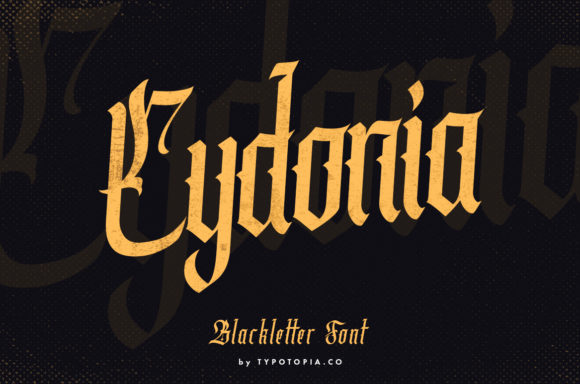
Cydonia stands out with its bold, calligraphic strokes and intricate details that evoke the timeless beauty of traditional blackletter typography. While blackletter fonts can sometimes be seen as too ornate for digital content, Cydonia strikes a balance between artistry and clarity. Its sharp serifs and structured form give it a distinguished personality, making it ideal for high-impact typographic elements in blogs, magazines, ebooks, and newsletters.
This font has a rich, expressive feel without compromising on functionality. Whether you're designing a cover for a digital magazine or crafting a compelling headline for a lifestyle blog, Cydonia adds depth and gravitas. It’s not just a display font — it's a tool for storytelling through typography.
Visual Characteristics and Style
Cydonia features a strong vertical emphasis, angular letterforms, and a consistent rhythm across characters. These traits lend themselves well to creating visual hierarchy, especially when used for titles, subtitles, or pull quotes. The font also includes subtle variations in stroke weight and ligatures that enhance its typographic sophistication, making it suitable for both print and digital formats.
The blackletter style of Cydonia is rooted in historical German Gothic scripts but refined for contemporary use. This means it avoids the overly dense appearance of many traditional blackletters while maintaining their signature flair. As a result, it reads more clearly on screens and retains its charm in print — a rare and valuable quality in today’s fast-paced publishing world.
Using Cydonia in Editorial Projects
As a blogger or editorial designer, you understand the importance of first impressions. A strong header or cover can make all the difference in capturing attention. Here’s where Cydonia shines:
- Blog Headers: Use Cydonia for post titles to add a sense of authority and creativity. It works especially well for niche topics like history, literature, or personal development.
- Magazine Covers: Pair it with a minimalist sans serif body font to create contrast and visual interest. The dark, dramatic nature of Cydonia makes it perfect for grabbing attention at a glance.
- Ebook Titles: If your ebook is centered around themes like tradition, heritage, or spirituality, Cydonia can reinforce the message through its aesthetic.
- Newsletter Graphics: Incorporate Cydonia into feature headers or quote boxes to elevate the overall look of your newsletter and encourage deeper engagement.
- Quote Layouts: Whether you’re showcasing testimonials, proverbs, or poetry, this font gives quotes a more deliberate and impactful presence.
- Chapter Openers: In printables such as guides, workbooks, or printable planners, using Cydonia for chapter headings can help structure the layout and guide the reader’s eye.
- Lead Magnets and Worksheets: For creators who rely on downloadable assets to grow their audience, a distinctive font like Cydonia can make your materials stand out from generic templates.
Designing with Visual Hierarchy in Mind
One of the key strengths of Cydonia lies in its ability to support visual hierarchy. In editorial design, hierarchy helps readers navigate content efficiently by signaling what’s important. Because of its strong presence, Cydonia is best suited for short, impactful text rather than long paragraphs.
Use it for:
- Headlines and subheadings
- Pull quotes and featured text blocks
- Accent typography in sidebars or infographics
- Publication logos and branding elements
Readability Across Formats
With so many publications being consumed on multiple platforms, readability must be adaptable. Cydonia performs admirably in several environments:
- Screen Reading: Its crisp edges and open counters ensure legibility even at smaller sizes on devices like smartphones and tablets.
- PDF Exports: When exporting articles or guides, the font maintains its integrity and doesn’t pixelate or become distorted.
- Mobile Layouts: Designed with responsive typography in mind, Cydonia fits well within mobile-friendly grids and layouts.
- Print: The font’s high contrast and fine detailing translate beautifully to printed materials, from magazine covers to worksheets and posters.
It’s always a good idea to test Cydonia in different contexts before finalizing your design, but in most cases, it will deliver the intended effect without sacrificing clarity.
Font Pairing Tips for Editorial Use
To make the most of Cydonia in your designs, consider pairing it with complementary typefaces. Since it’s a display font, it should be balanced with more neutral options for body text:
- Serif Fonts: Combine with a refined serif like Garamond or Georgia for a classic, elegant layout. This pairing is great for literary blogs or historical content.
- Sans Serif Fonts: For a more modern contrast, pair it with a clean sans serif such as Helvetica Neue or Lato. This works well in digital magazines or creator newsletters.
- Script or Handwritten Fonts: Avoid combining with similar styles unless you're going for a specific aesthetic, such as vintage-inspired packaging or branding materials.
For captions, navigation menus, or footnotes, opt for a simple sans serif or monospace font to maintain clarity and avoid overwhelming the reader. The goal is to let Cydonia command attention where needed, while ensuring the rest of your content flows smoothly and remains easy to read.
Real-World Applications
Here are a few practical examples of how Cydonia can be applied across different types of editorial content:
- Lifestyle Blog: Use Cydonia for seasonal post titles or category headers to create a warm, inviting tone.
- Recipe Ebook: Apply it to chapter titles or special sections like "Pro Tips" to highlight key information visually.
- Wedding Guide: Feature it in romantic headings or vow sections to evoke a sense of timelessness and grace.
- Coaching Workbook: Add it to motivational quotes or section dividers to break up content and inspire action.
- Digital Magazine: Use it sparingly in article titles and cover stories to emphasize premium content and elevate the publication’s identity.
- Printable Planner: Employ Cydonia for month names or theme headers to give your planner a stylish yet functional edge.
- Creator Newsletter: Integrate it into your subject line or lead graphic to establish a memorable brand voice.
In each case, the font contributes to a stronger visual narrative without overshadowing the content itself.
Brand Identity and Publication Consistency
A publication’s typography plays a critical role in building brand identity. With Cydonia, you gain a versatile display font that can be consistently used across various materials. From your website headers to social media graphics, email campaigns, and print collateral, this font helps maintain a cohesive visual language.
When building your brand, consider how Cydonia reflects your values. Is your publication rooted in tradition? Does it aim to convey wisdom, heritage, or inspiration? If so, Cydonia is an excellent fit. Its unique character supports a strong brand personality while remaining professional enough for serious content.
Exploring Styles and Multilingual Support
If you’re considering adding Cydonia to your design toolkit, check out the included styles. Many premium fonts offer multiple weights and alternate glyphs, which can help you customize your use depending on the project. You may find versions optimized for uppercase emphasis, decorative flourishes, or condensed forms — all useful in editorial design.
Additionally, if your content reaches international audiences, confirm whether the font includes multilingual support. Some blackletter fonts struggle with non-Latin characters, but a well-designed one like Cydonia likely offers expanded language coverage, making it suitable for global publications.
Commercial Licensing and Practical Use
For bloggers, publishers, and designers working on commercial projects, licensing is a crucial consideration. Cydonia is available as a commercial font, meaning you can confidently use it in paid newsletters, client publications, digital courses, branded templates, and more. Always review the license agreement to confirm usage rights, especially if you plan to distribute or resell your design assets.
Whether you’re creating a lead magnet for your coaching business or preparing a print-on-demand book, having access to a premium font like Cydonia ensures your work looks polished and professional. It’s a small detail that can significantly impact how your content is perceived and received.
By incorporating Cydonia into your design workflow, you’re not just selecting a font — you’re choosing a tool that enhances your creative expression and aligns with your editorial goals. Its blend of traditional blackletter charm and modern usability makes it a standout option for those looking to elevate their content’s visual appeal without losing focus on the reader experience.